
The inner algorithm.

Your feed is curated to confirm what you already believed. Your mind does the same with the foreigner—long before the internet existed.
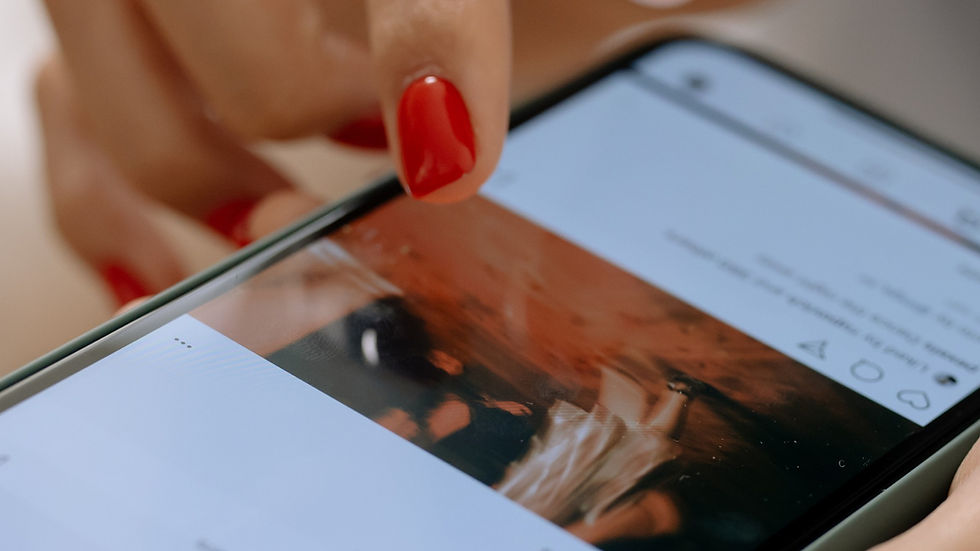
The inner algorithm.
Social media didn't invent the echo chamber—it simply digitized something that always existed in the mind. Long before the algorithm showed us only what we want to see, we were already filtering reality to confirm our prejudices. The news feed simply replicates an ancient psychic mechanism: seeing in the other only what we deposited there.
Today we share outrage against racism while our body crosses the street when someone "suspicious" approaches. We sign petitions for migrants' rights and simultaneously feel relief when the flight isn't full of "a certain type of people." The contradiction isn't conscious hypocrisy—it's the clash between what we think we believe and what actually operates on autopilot. The like doesn't dismantle prejudice; sometimes it just disguises it as virtue.
The current challenge isn't having the right opinions in public but examining the reactions that occur before we can edit them. Internal racism isn't cured with hashtags—it transforms through uncomfortable honesty about what we feel when no one is watching.
Reference:
Davids, M. F. (2021). Ethnic purity, otherness and anxiety: The model of internal racism. En K. White & I. Klingenberg (Eds.), Migration and intercultural psychoanalysis: Unconscious forces and clinical issues (pp. 11–29). Routledge.


Comments